How to Lower Insulin Resistance Naturally: A Step by Step Guide
Bare concrete floors offer stark, modern appeal with minimal upkeep. Rich, hand-knotted wool rugs bring warmth and softness, but require regular vacuuming. Homeowners consider different paths for their living space, weighing visual impact against daily effort. Some prefer the crisp, clean lines of a minimalist approach, using simple forms and neutral palettes. Others seek the cozy, layered textures of traditional design, creating inviting nooks with plush cushions and dark wooden furniture. Each choice presents its own set of considerations, from dust bunnies hiding under an antique oak console to a shining chrome lamp needing a quick wipe. Floor options show various ways to lower insulin resistance naturally, fitting diverse lifestyles. Pick the path that best suits your needs.
1. Mindful Eating Practice
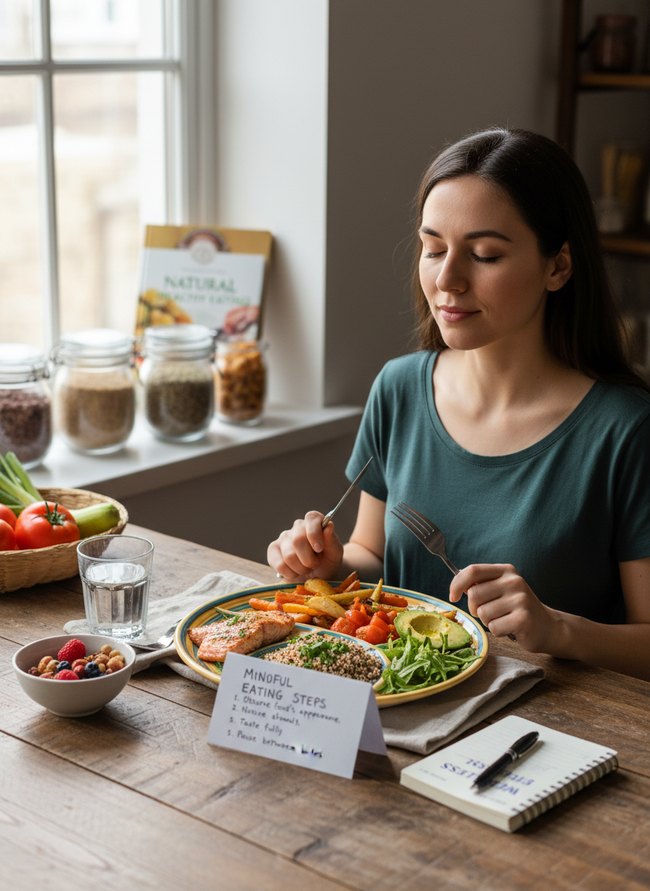
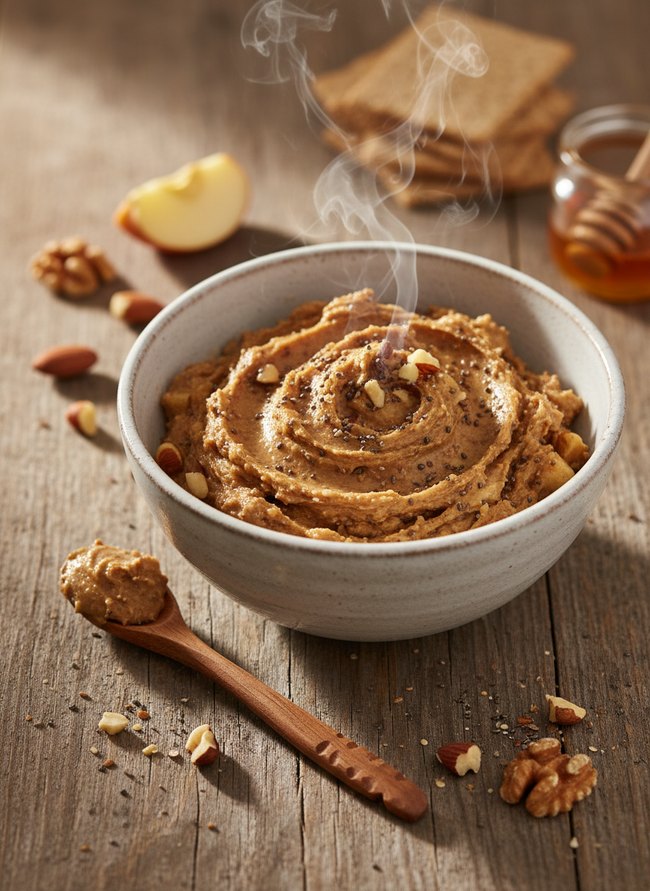
This mindful eating practice brings how to lower insulin resistance naturally to life with thoughtful styling and considered details.
2. Balanced Plate Method
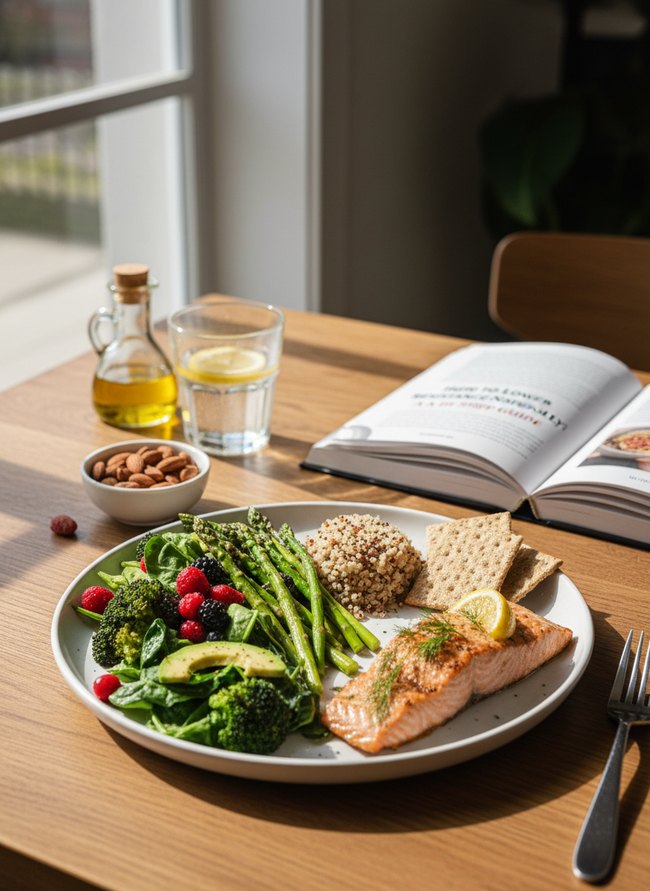
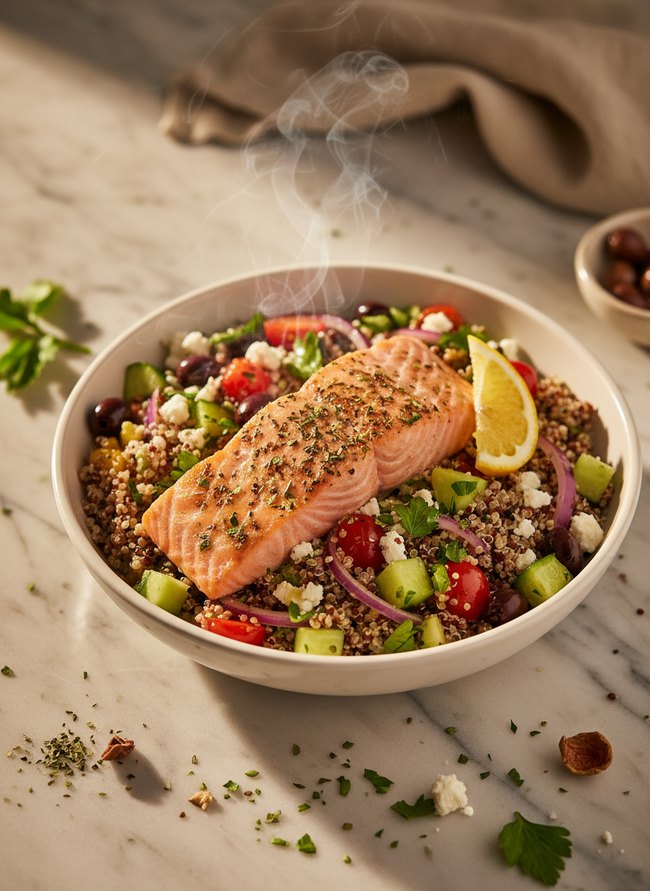
A round ceramic plate holds a colorful, balanced meal. You choose to nourish your body with wholesome ingredients, trading instant gratification for long-term health benefits like lowering insulin resistance naturally. An open book and a glass of lemon water sit nearby on the light brown wooden table, ready for quiet study.
3. Whole Food Nutrition
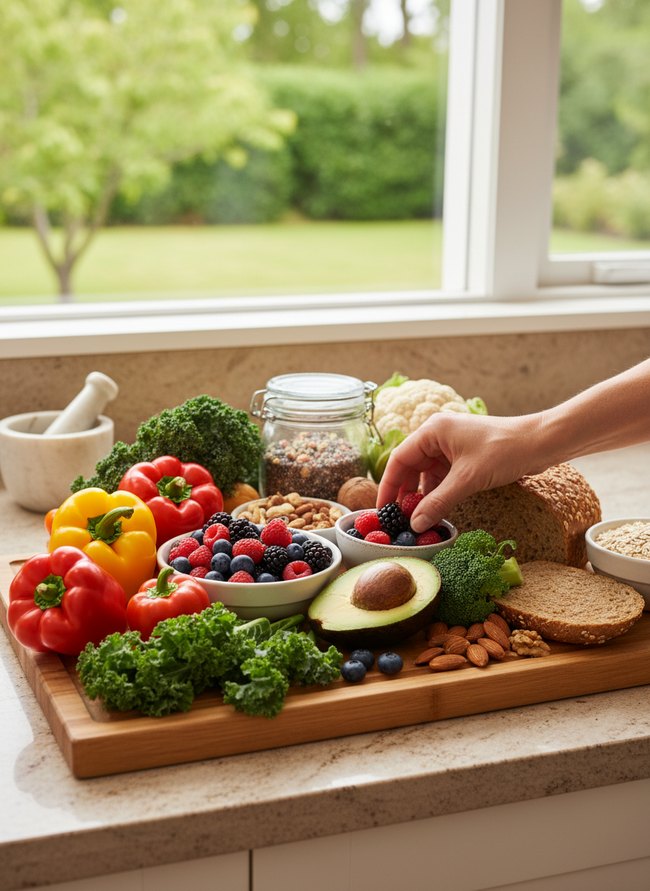
A wooden cutting board holds a colorful array of fresh produce. You can nourish your body with vibrant red peppers and green kale, trading processed snacks for whole ingredients to lower insulin resistance naturally. A hand reaches for ripe red raspberries, suggesting an active choice in your dietary habits.
4. Strength Training Regimen

A silver barbell rests across a man’s shoulders as he executes a deep squat. Heavy lifting offers a direct path to build muscle mass. A white dry-erase board with a handwritten workout schedule hangs on the light gray wall, reminding you of a structured approach to lower insulin resistance naturally.
5. Consistent Sleep Schedule

A woman holds a black smartphone displaying a calendar app in pale morning light. She tracks her sleep patterns, trading spontaneous wake-up times for a fixed schedule. A dark wooden side table beside the bed holds a clear glass of water, a gray ceramic mug, and a beige book, supporting her peaceful routine.
6. Stress Reduction Techniques

A wooden essential oil diffuser releases white steam, signaling a choice for calm over chaos. You trade hurried moments for a focus on lowering insulin resistance naturally. A clear glass cup of pale yellow tea sits on a dark wood coffee table, offering a warm, soothing beverage.
7. Hydration Focused Habits
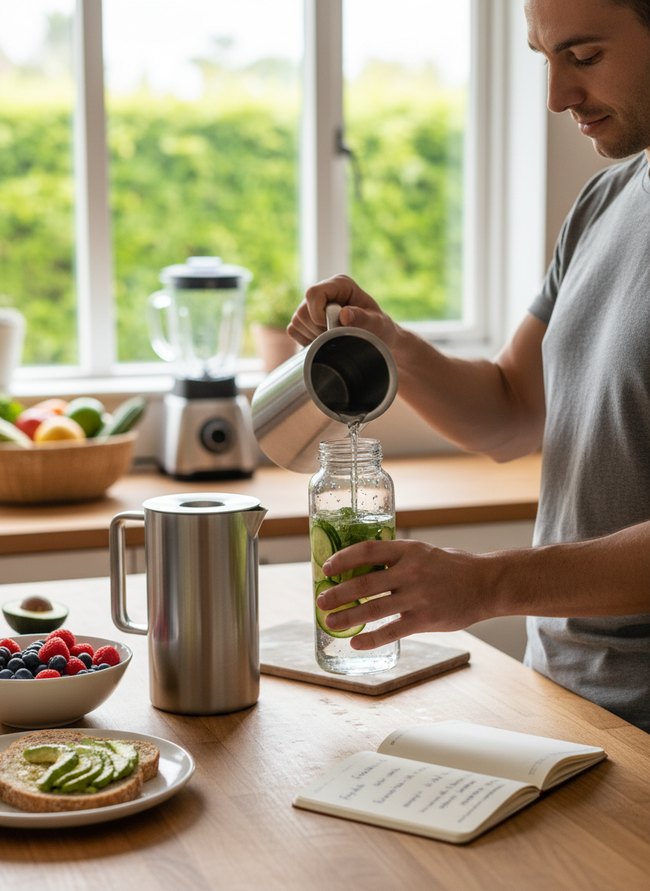
A clear glass jar, filled with green cucumber slices and fresh mint leaves, receives a stream of water from a brushed metal pitcher. Homeowners can flavor their hydration, trading plain water for a refreshing infused drink. A small white ceramic bowl of red raspberries and blue blueberries sits nearby on the warm wooden countertop.
8. Fiber Rich Diet
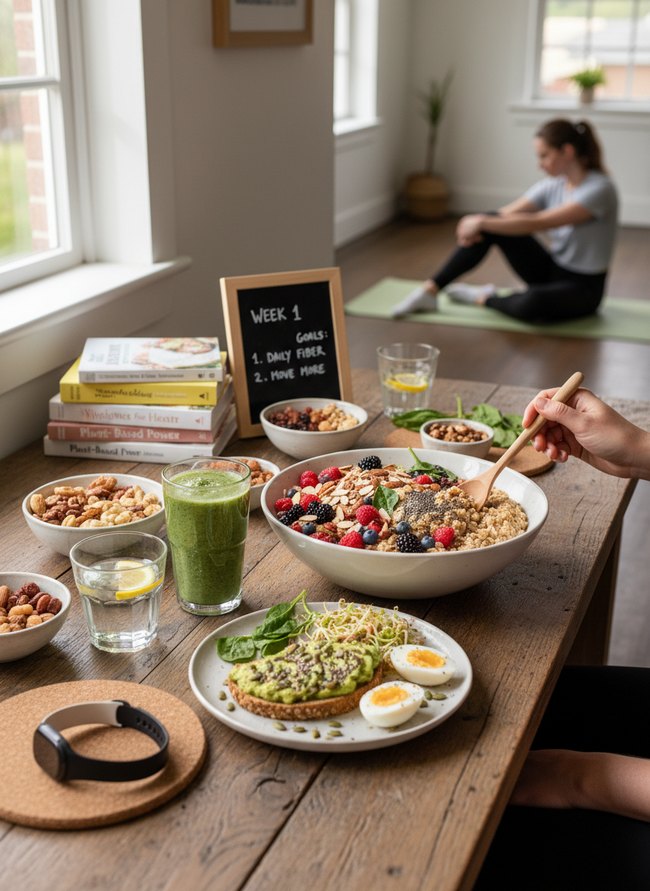
A wide white ceramic bowl of oatmeal with fresh berries and chia seeds sits on a rough wooden tabletop. A small black chalkboard sign listing “DAILY FIBER” goals stands near a stack of colorful cookbooks. Choosing this path means trading quick sugary fixes for sustained energy and improved health.
9. Sugar Intake Reduction
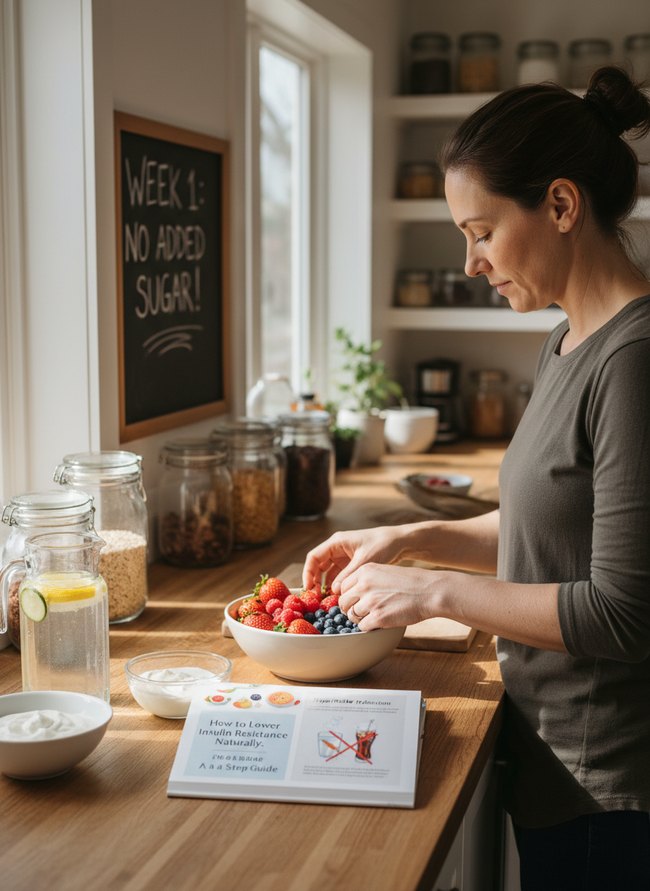
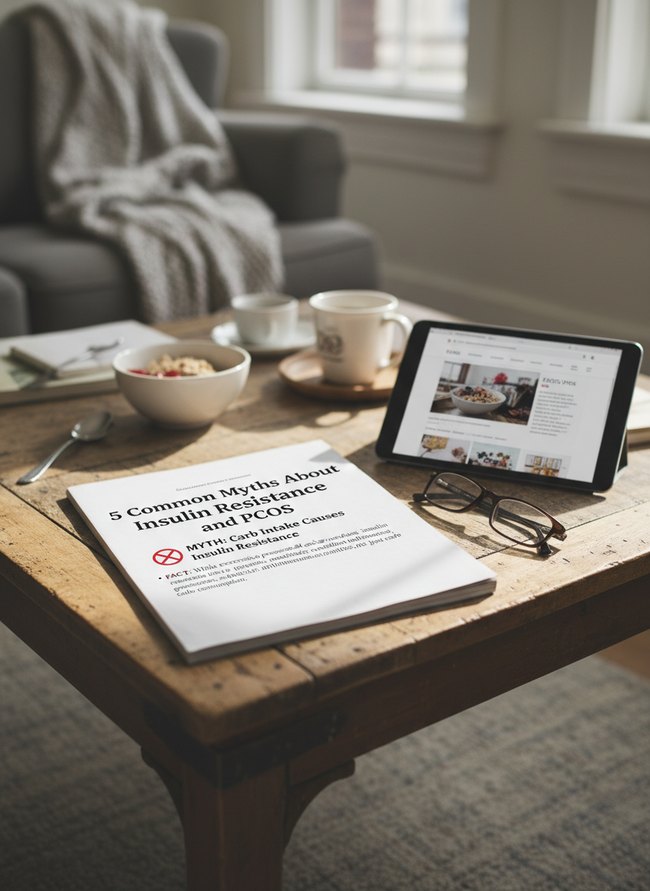
A woman’s hands arrange red strawberries and blue blueberries in a white ceramic bowl on a warm wood countertop. You can choose to cut out sugary treats, gaining better health at the cost of instant gratification. A printed guide on the counter offers advice on how to lower insulin resistance naturally.
10. Intermittent Fasting Approach

A woman sips clear water from a tall glass, choosing hydration during a fasting window. Her smartwatch, with its simple white band, displays the time, marking the current point in her eating schedule. A plain white bowl of red and black berries sits on the light wood table, waiting for a later meal.
Should I go all-in on dietary changes or start with small, sustainable shifts?
Your kitchen counter offers two distinct paths for your new journey. First, you could commit to an immediate, dramatic change in your eating habits, like a strict low-carb plan. Second, you might choose to introduce small, measured adjustments to your daily food intake, perhaps replacing sugary drinks with plain water.
A fast, sweeping dietary overhaul delivers quicker results for reducing insulin resistance, showing changes on the white bathroom scale in a few short weeks. However, this abrupt shift often causes strong cravings and feelings of deprivation, making the new eating pattern hard to maintain past one short month. For individuals with high medical urgency, where significant health markers demand rapid improvement, this swift, decisive action is the right choice.
Gradual, tiny modifications reduce immediate discomfort and feel more manageable over a long period, allowing new habits to take root like slow-growing oak trees. Still, the impact on your body’s insulin response will unfold at a slower pace, requiring more patience and a longer timeline for visible benefits. People seeking lasting lifestyle adjustments, those who value steady progress over speed, find more success with this deliberate, gentle approach to lowering insulin resistance.
Which type of exercise should I prioritize: high-intensity or moderate, consistent activity?
Two distinct paths for physical movement sit before you: short, intense bursts or long, steady efforts. Fast, hard workouts like sprinting up a steep, charcoal hill offer swift, powerful results for improving insulin resistance. However, those intense sessions demand significant physical recovery time afterward; your muscles need deep rest. Gentle, consistent walks around a sunlit, green park deliver gradual, steady benefits to your body’s sugar processing. A daily, twenty-minute stroll requires less recovery, fitting easily into a busy schedule.
A person with limited time for exercise but a strong body and good health finds high-intensity training effective. That individual accepts the muscle soreness and fatigue after a quick, hard workout. Someone seeking a sustainable routine with less physical strain benefits from moderate, consistent activity. That body enjoys the calm movement of a long walk, lowering insulin resistance with steady effort. The turquoise yoga mat waits for gentle stretches.
Which Idea Will You Try First?
That’s 10 different takes on how to lower insulin resistance naturally. The best ideas above are usually the smallest moves — one material, one layout shift, one piece of furniture in the right place. Pick whichever room feels closest to your space and start there before tackling the rest.
Found an idea worth keeping? Save this post to your Pinterest board so it’s waiting for you when you’re ready to start your own project.