How to Order Blood Sugar Friendly Meals When Eating Out
Meal planning often feels like a puzzle, a tall stack of colorful blocks needing careful arrangement. Dining away from a home kitchen adds a tricky, shiny piece to that puzzle. Many people managing insulin resistance struggle with restaurant menus, a printed list of unknown ingredients. Diners can still enjoy social meals without feeling overwhelmed. A few smart strategies turn every restaurant visit into a win. We will break down how to approach dining establishments with confidence, ensuring blood sugar remains steady. Practical advice helps you make informed choices.
1. Savvy Salad Selection Strategy
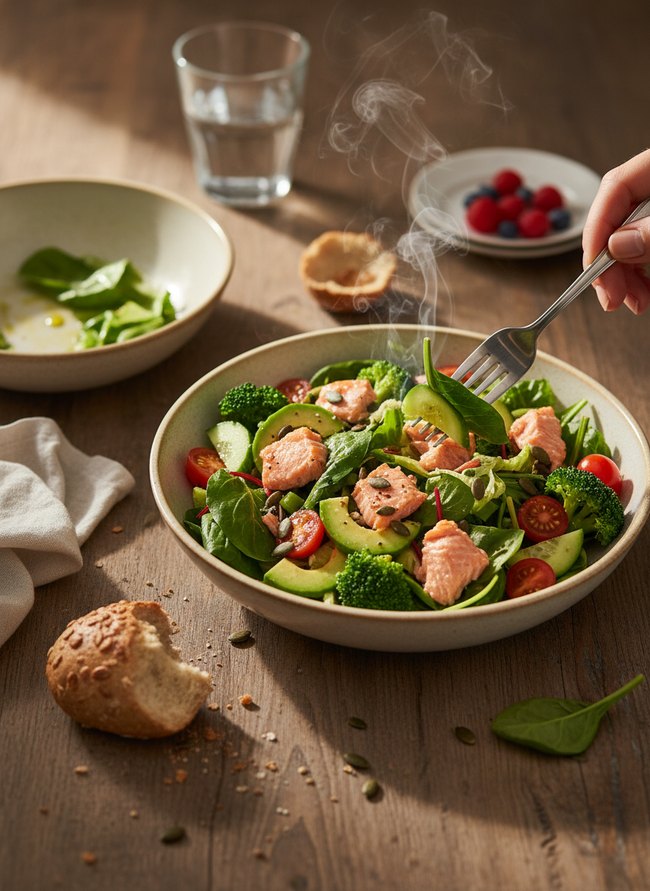
A ceramic bowl holds a generous green salad with steamed salmon, sliced avocado, cherry tomatoes, and bright green broccoli florets. Wisps of steam rise from the warm salmon chunks, suggesting a freshly prepared meal, a smart choice for eating out insulin resistance. Diners can easily make a balanced meal by choosing salads with plenty of protein and healthy fats.
2. Balanced Bowl Building Blueprint
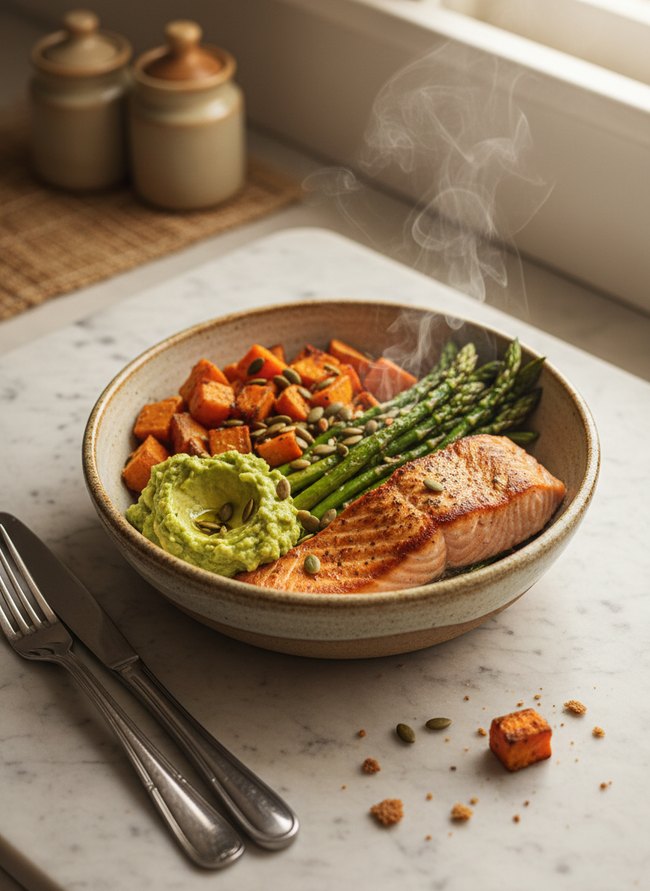
A speckled beige bowl holds a balanced meal with salmon, green asparagus spears, and orange sweet potato cubes. Diners can build a similar plate when eating out with insulin resistance by choosing a lean protein, green vegetables, and a complex carbohydrate. The meal approach helps manage blood sugar levels effectively.
3. Lean Protein Plate Pairing
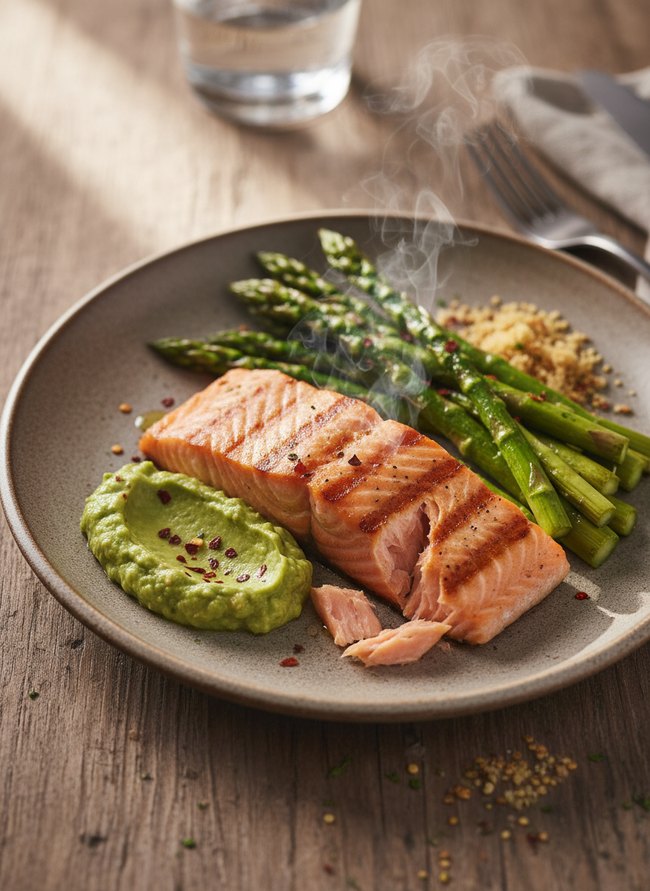
A grilled salmon fillet with distinct char marks rests on a round gray plate, beside bright green asparagus spears and a dollop of creamy avocado puree. The meal, featuring lean protein and healthy fats, makes an excellent choice for dining with insulin resistance. Ask for grilled fish and green vegetables when ordering your next meal.
4. Smart Side Swap Solution
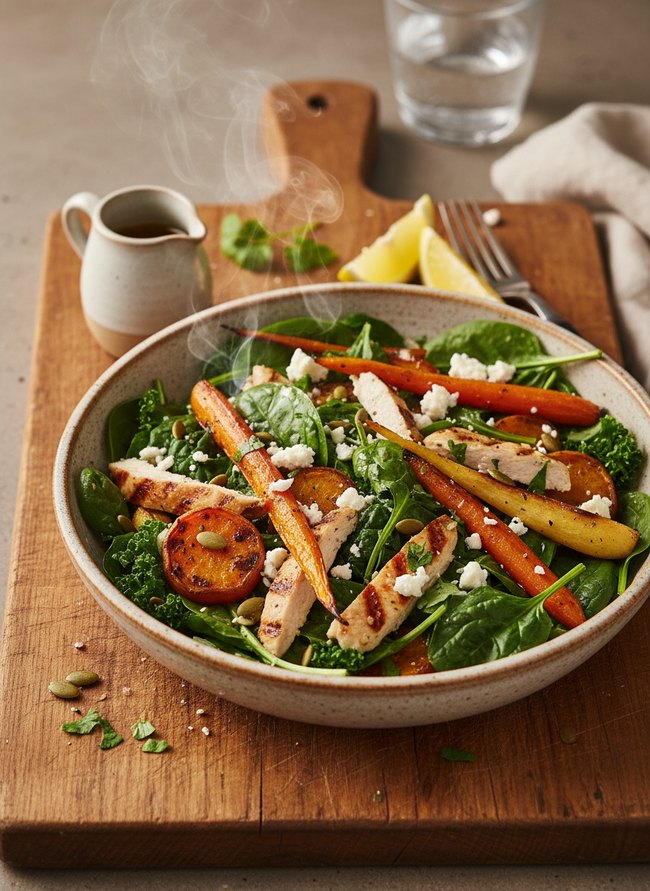
A large ceramic bowl holds a colorful salad with grilled chicken strips, roasted carrots, and dark green leafy vegetables. White crumbled cheese and pumpkin seeds sprinkle over the warm ingredients, showing how smart side swaps can make eating out insulin resistance friendly. Diners can easily ask for roasted vegetables instead of starchy sides when eating out.
5. Veggie-Rich Entree Opting
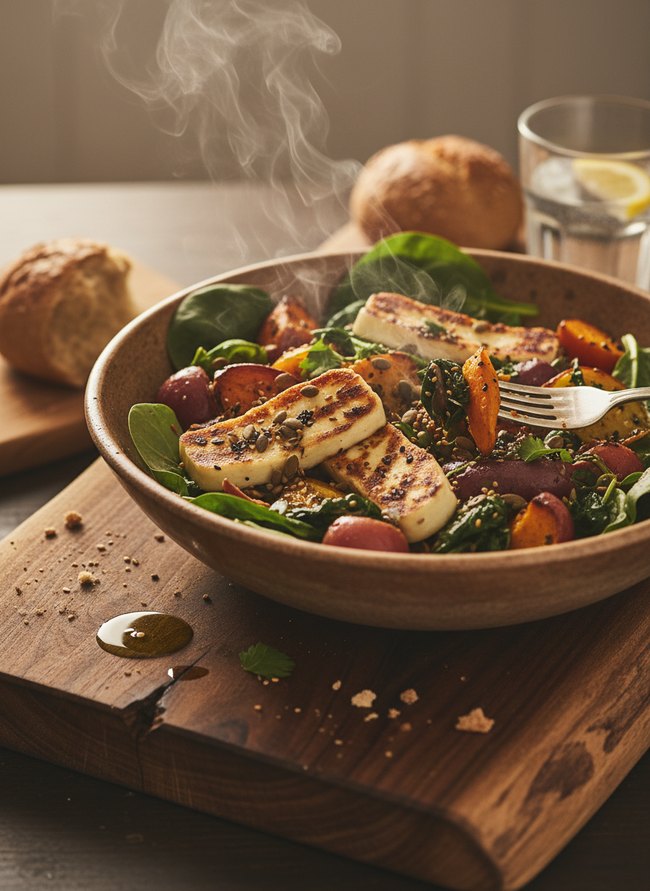
A warm wooden bowl holds a large portion of grilled halloumi cheese over a bed of green spinach and roasted orange sweet potatoes. Wisps of steam rise from the colorful vegetables and golden cheese, showing a fresh, hot meal. Diners can enjoy delicious, filling meals when eating out with insulin resistance.
6. Mindful Menu Scanning Method
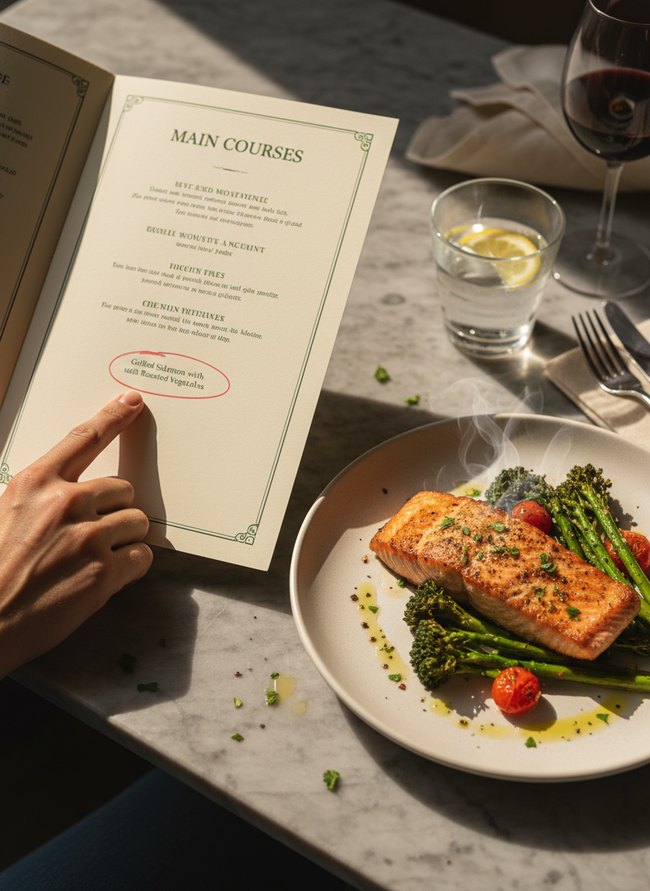
A hand points at a cream menu page with green borders, highlighting “Grilled Salmon with Roasted Vegetables.” A white plate holds a golden salmon fillet, green broccolini, and red cherry tomatoes, which produce a small amount of steam. Diners can make mindful choices for eating out with insulin resistance by picking meals with lean protein and plenty of non-starchy vegetables.
7. Fiber-Focused Dish Discovery
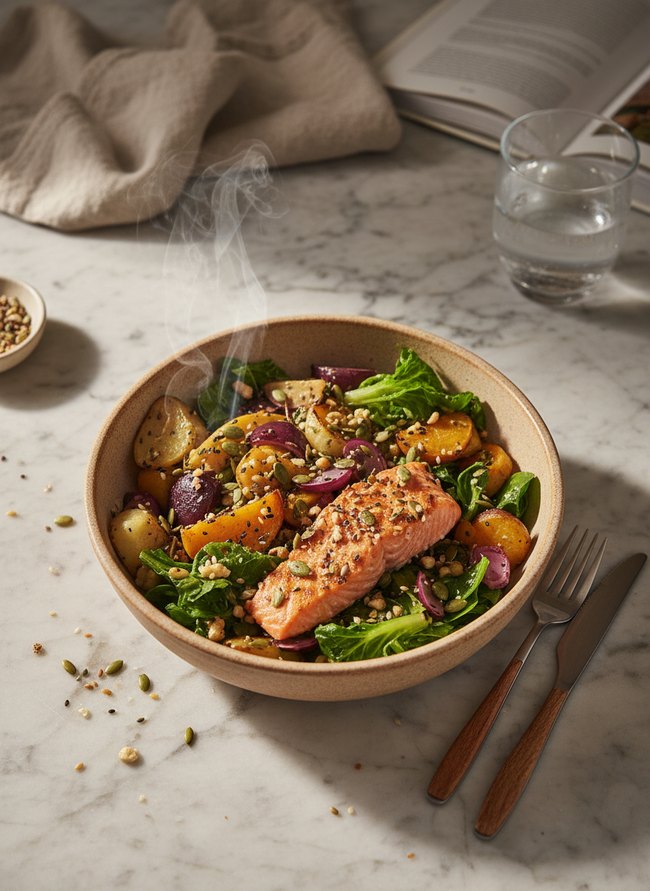
A beige ceramic bowl holds a warm salmon fillet over roasted vegetables: golden potatoes, red onions, and green leafy greens. Gentle steam rises from the dish, indicating its fresh preparation, and a sprinkling of pumpkin seeds adds texture. The fiber-focused meal makes eating out insulin resistance easier to manage.
8. Portion Controlled Plate Planning
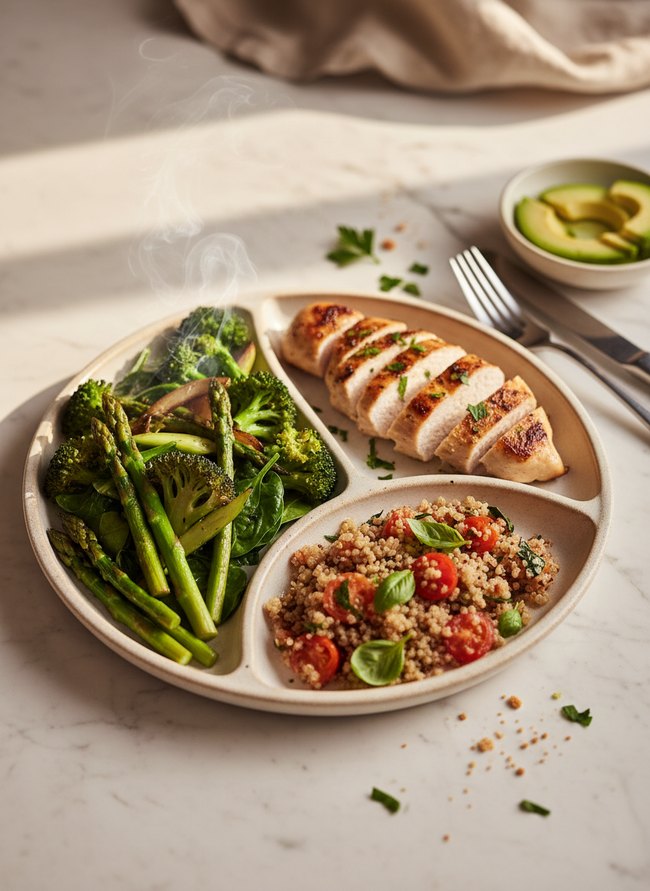
A cream-colored sectional plate holds a balanced meal with three distinct food groups. Sliced, golden-brown chicken breast fills one section, while steamed green broccoli and asparagus spears with wilted spinach occupy another. The third section contains fluffy quinoa mixed with red cherry tomatoes and fresh green basil leaves; the organized presentation makes eating out with insulin resistance much simpler.
9. Hydrating Drink Choice Priority
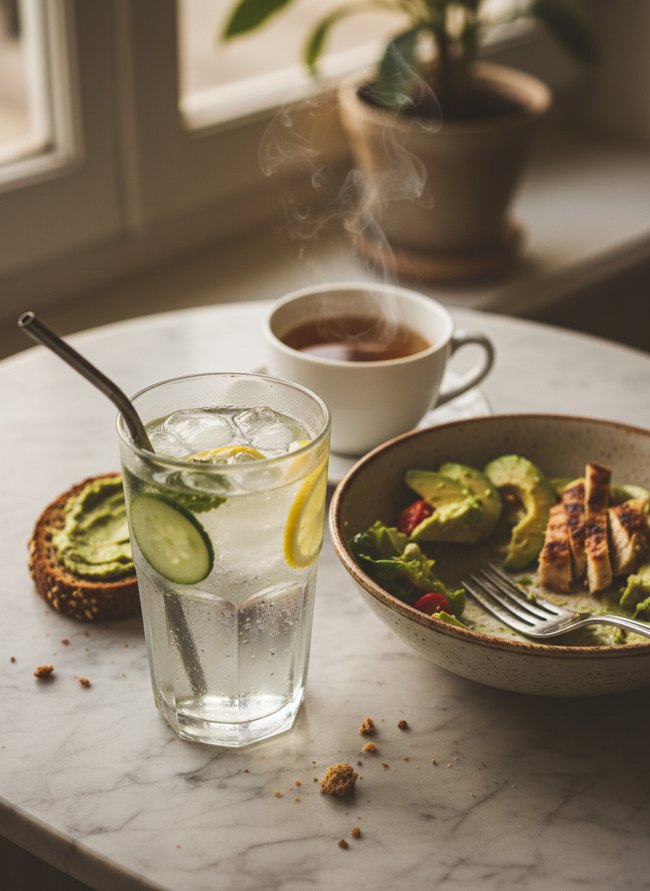
A tall clear glass of sparkling water with ice, lemon slices, cucumber, and a metal straw offers a refreshing, sugar-free beverage option. A white ceramic teacup of steaming brown tea sits behind the water, showcasing another warm, low-sugar drink. Choose hydrating, plain drinks when eating out for better blood sugar management.
10. Hidden Sugar Spotting Skill
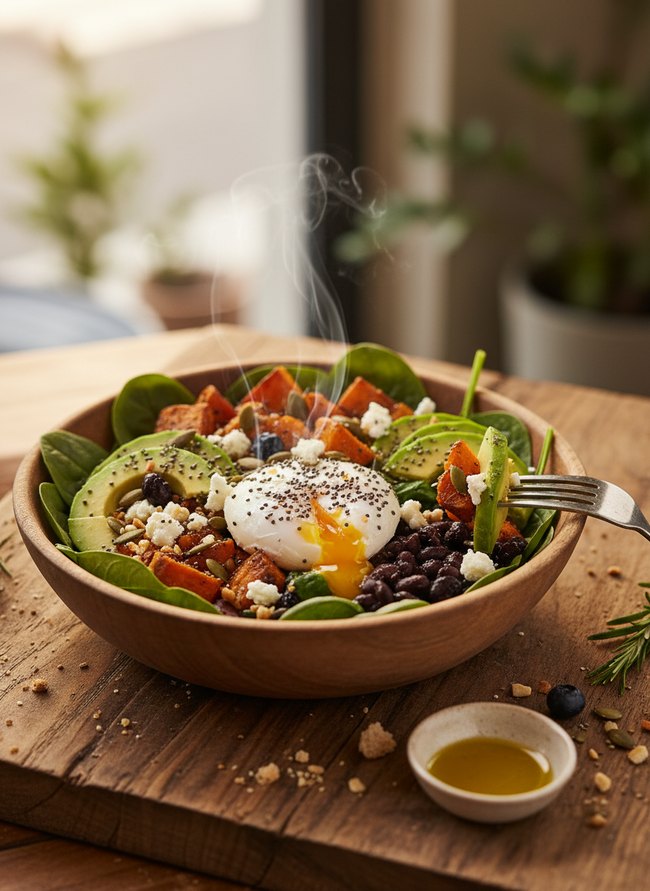
A light brown wooden bowl holds a colorful meal with steam rising from its center. The dish features bright green spinach, rich orange roasted sweet potatoes, and black beans, all topped with a white poached egg and chia seeds. When eating out with insulin resistance, choose meals that show off whole, unprocessed ingredients.
11. Healthy Appetizer Approach
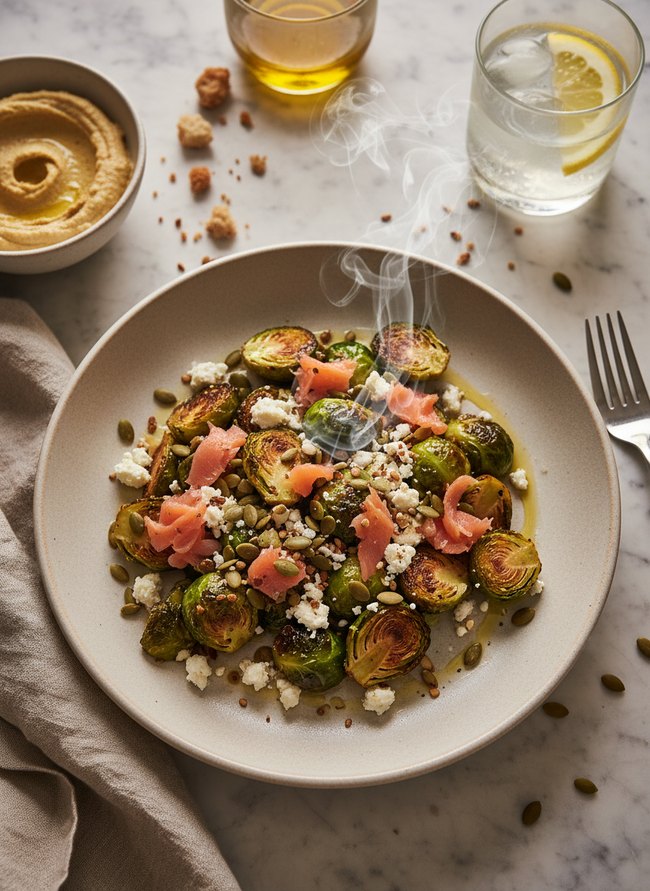
A white ceramic plate holds roasted green Brussels sprouts, sprinkled with white crumbled cheese, pink salmon pieces, and green pumpkin seeds, sitting on a light marble counter. Wisps of steam rise from the warm vegetables, showing a fresh appetizer choice for managing insulin resistance. Diners can choose vegetable-heavy appetizers to manage blood sugar levels.
12. Post-Meal Walk Habit
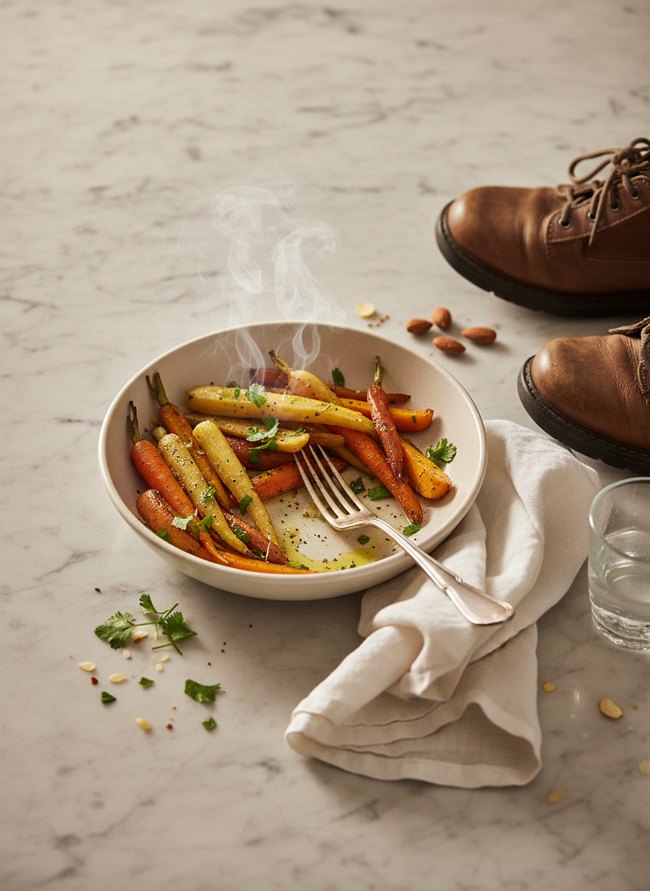
A white ceramic bowl holds hot steamed carrots, showing light steam rising from the golden and orange vegetables. Brown leather shoes sit on the light marble counter next to the meal, ready for a post-meal walk. Mindful choices can be made when eating out with insulin resistance, like choosing a filling side dish and planning a short stroll afterward.
Navigating the ‘Healthy’ Menu Traps: What to Watch Out For
Fruit smoothies often hide many spoonfuls of sugar. These thick drinks, presented in a tall clear glass, cause big blood sugar spikes for people with insulin resistance. Restaurant salads, piled high with colorful greens, can also trick you. Sweet dressings on green leafy salads add unexpected sugar content. Even lean protein bowls, served in a wide ceramic dish, sometimes include sugary sauces or candied nuts. A single honey-glazed chicken piece or a few candied pecans add unwanted carbohydrates. Many whole grain breads, advertised as beneficial, contain added sugars for flavor. These brown, oblong loaves contribute to rising glucose levels. Granola, a crunchy breakfast topping, packs concentrated sugar. Small bowls of granola, sprinkled over yogurt, quickly increase your intake. You can ask for dressings on the side in a small white ramekin. Choose olive oil and vinegar for your crisp salad greens. Ask about ingredients in sauces before ordering any dish. A simple grilled chicken breast, served on a white plate, offers much better control.
Decoding Restaurant Lingo: A Glossary for the Insulin-Resistant Diner
Caramelized onions, those sweet brown ribbons, often hide added sugar. Many chefs slow cook onions in oil and brown sugar for hours. Glazed meats, like a shiny honey ham, frequently contain sugary coatings. A sticky glaze on your plate means extra carbs. Braised dishes, slow cooked in liquid, sometimes include fruit juice or wine. Those cooking liquids can concentrate sugars. Crispy fried chicken, with its golden breading, absorbs lots of cooking oil and starch. A deep-fried coating elevates carb counts. Creamy sauces, such as béchamel or Alfredo, often use white flour and heavy cream. These thick, white sauces pack dense calories and fats. Marinated proteins, like orange chicken, soak in sweet liquid. That sweet bath adds hidden sugars to your meal. Sautéed vegetables usually cook quickly in a hot pan with butter or olive oil. Ask your server about oil choices. Roasted root vegetables, such as sweet potatoes or parsnips, naturally taste sweet. Their natural sugars can still impact blood sugar levels. Always inquire about preparation methods for your chosen dinner.
Which Idea Will You Try First?
That’s 12 different takes on eating out insulin resistance. The best ideas above are usually the smallest moves — one material, one layout shift, one piece of furniture in the right place. Pick whichever room feels closest to your space and start there before tackling the rest.
Found an idea worth keeping? Save this post to your Pinterest board so it’s waiting for you when you’re ready to start your own project.